





One brief, a full set of visuals
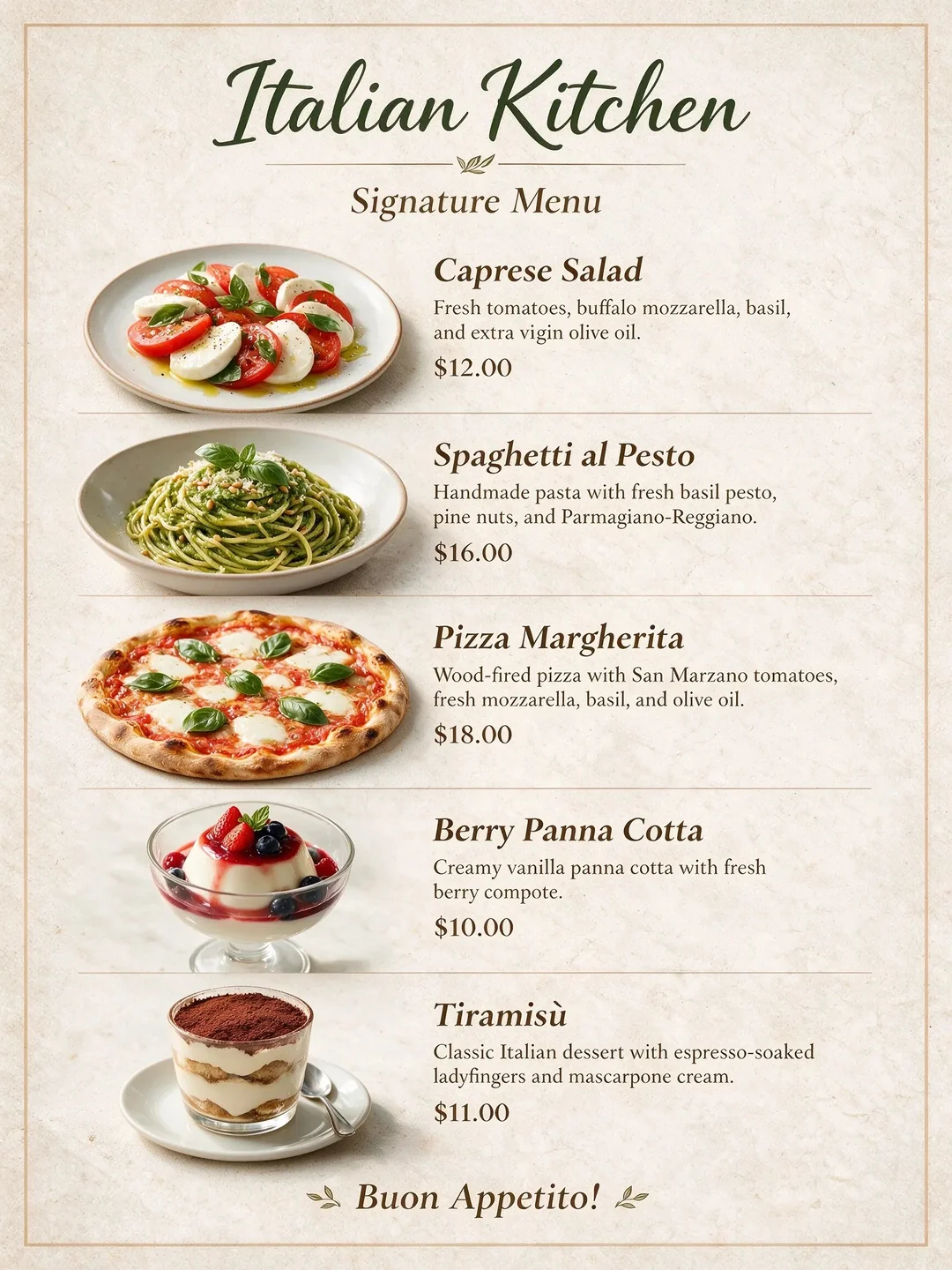
Pick the brand profile, generate hero images across several models on the same brief, edit the regions that need changing by instruction and keep the strongest set.
- Brand profile
- Model comparison
- Region edits
For Marketing Teams
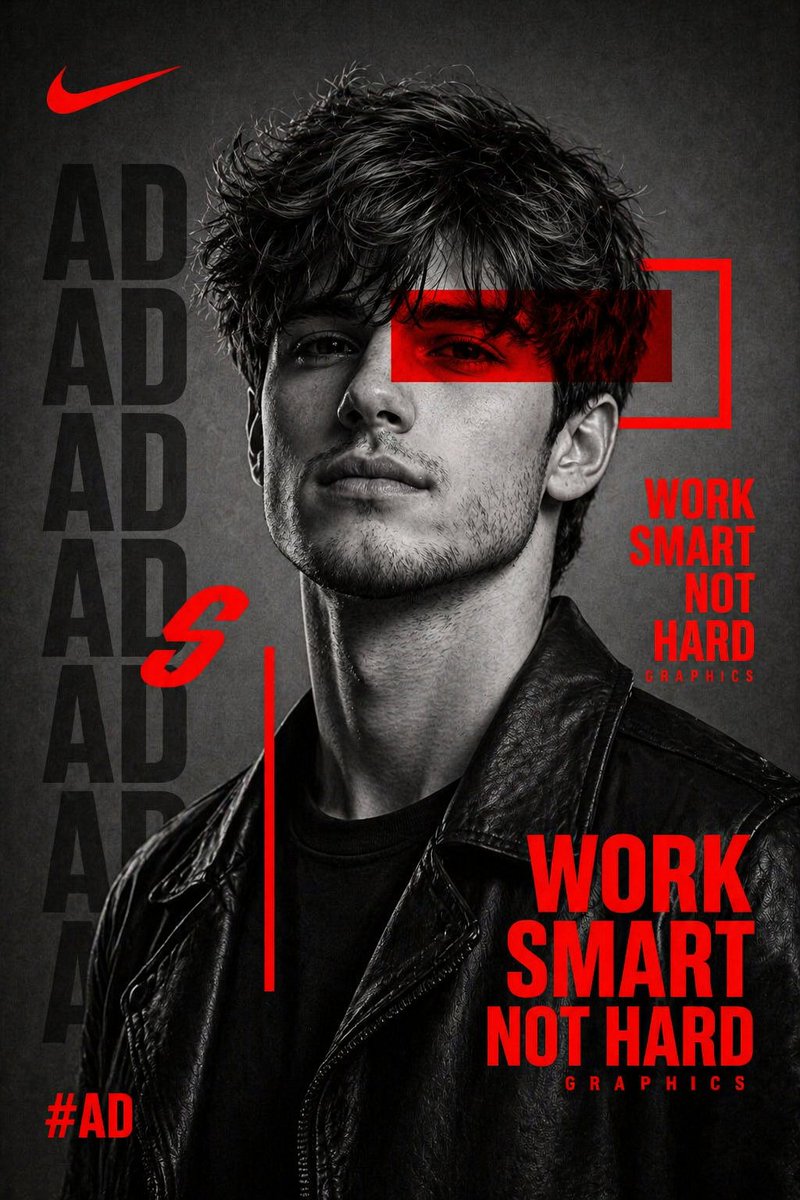
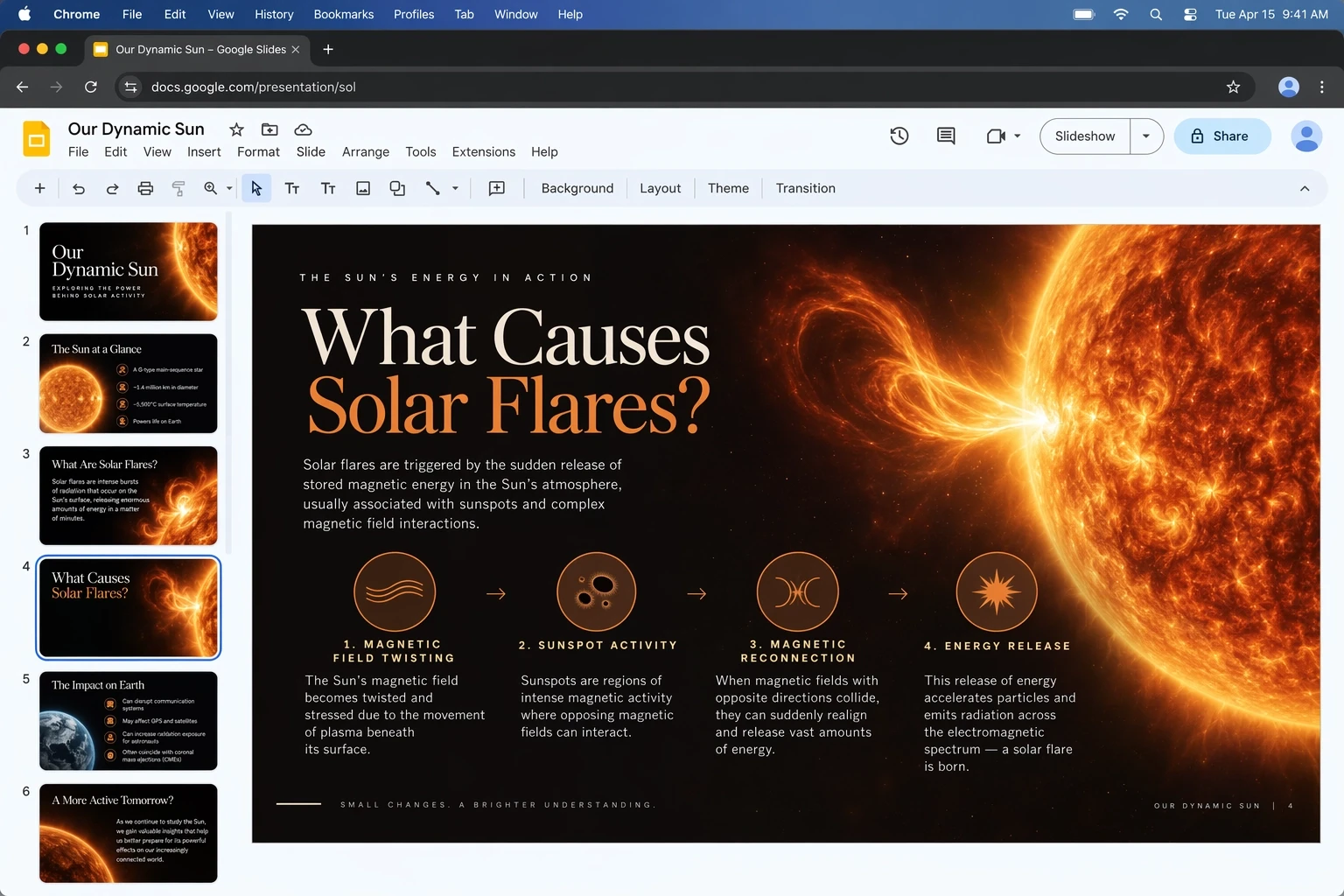
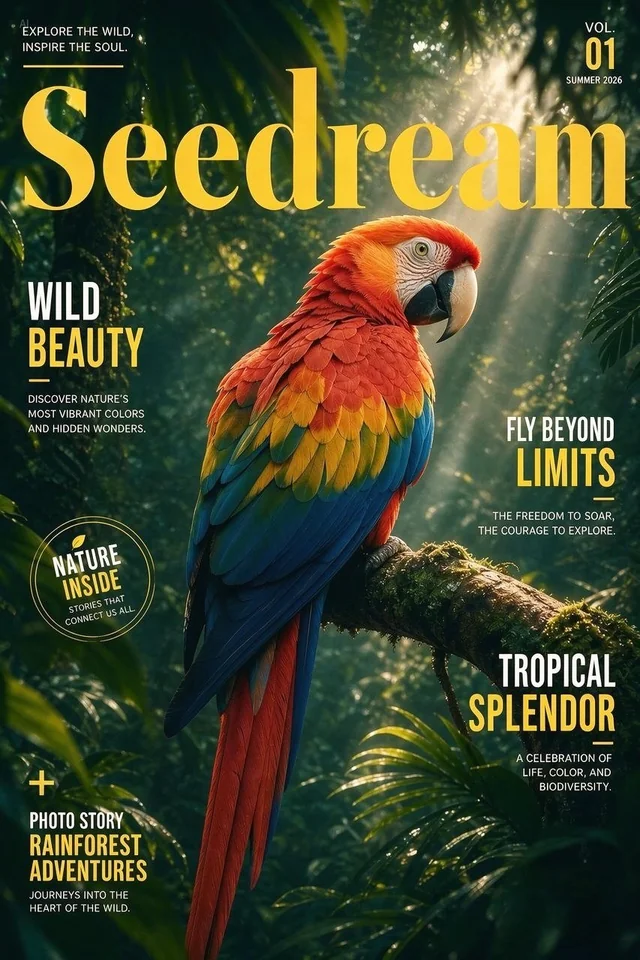
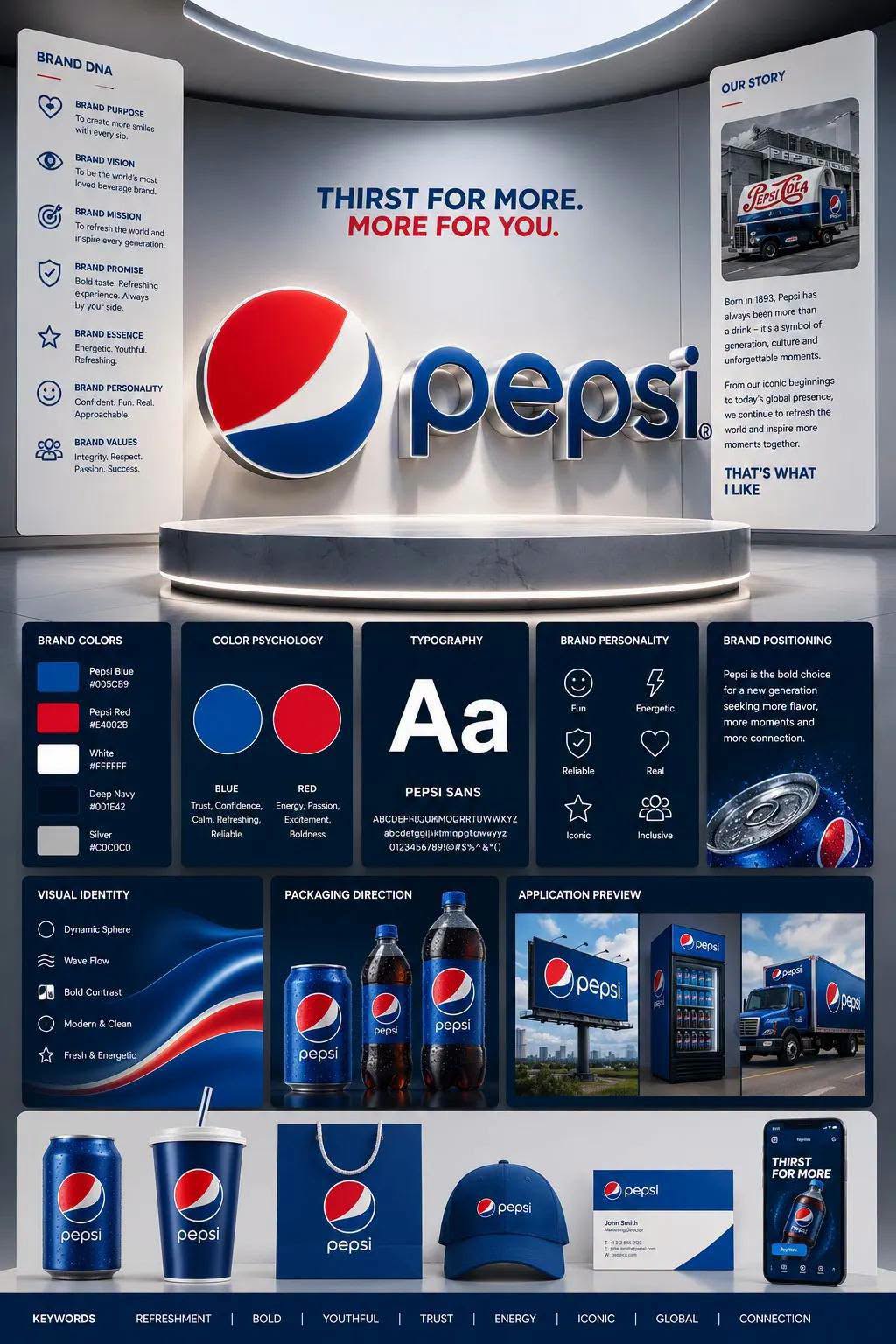
Store your palette, typography and tone of voice once and pick the profile when you generate. Then take one master visual to every channel format, and turn it into a video ad with a voiceover.
The hard part is consistency across formats
Generating one good campaign visual is easy. Making the visual, the video ad and the voiceover feel like the same company is the actual job, and it is where generic AI tools fall down: every prompt starts from zero, so brand rules live in someone's head and get re-typed each time. faktry moves them into a brand profile you pick when you generate. It compiles the profile into a short style note that fits each model's prompt limit, and shows you what it adds before you submit.
What replaces the design queue, the stock library and the per-channel resize work.
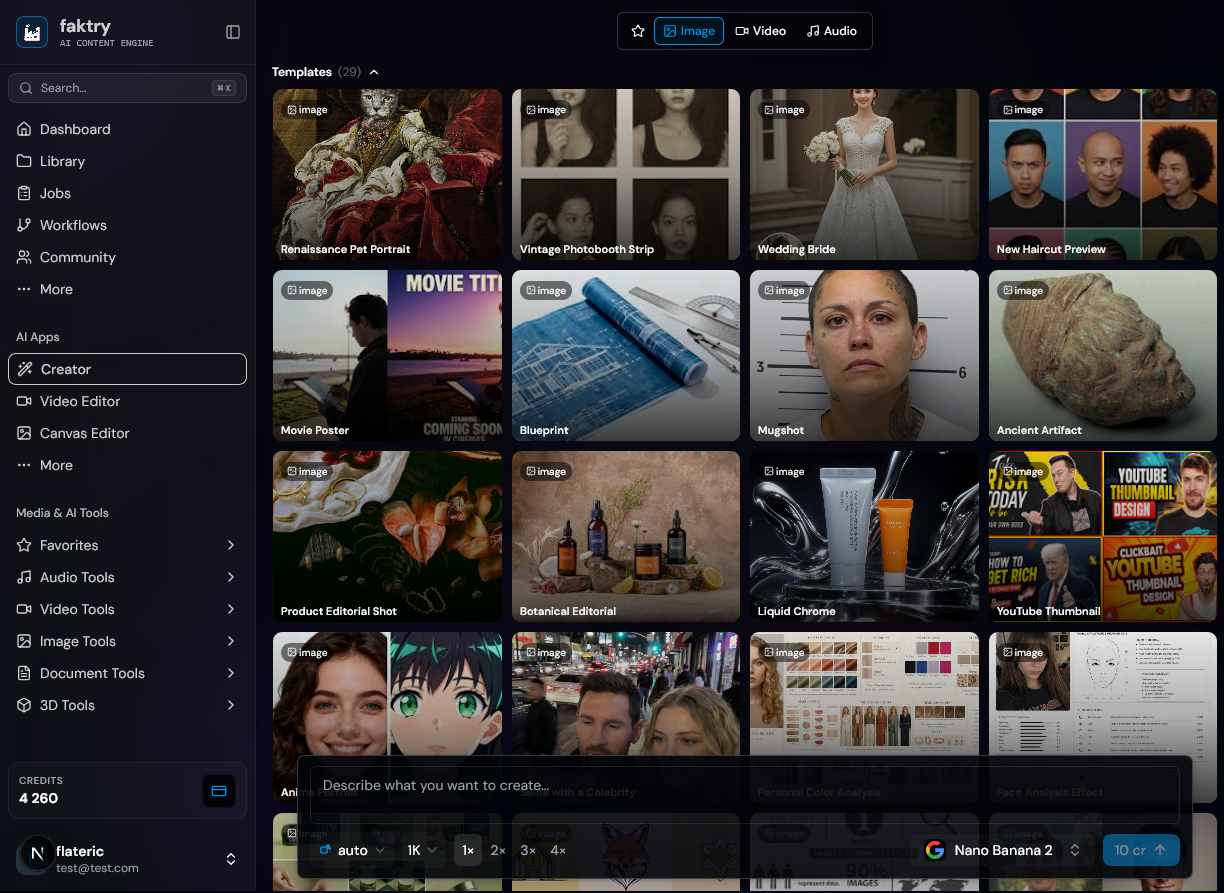
Swap models from a dropdown. Same credit balance, no separate provider accounts.
Hero images, ad creative, social cards and product shots
Short-form video ads and animated social placements
Voiceover for ads, plus music beds for social video
 ElevenLabs
 OpenAI TTS
 Gemini TTS
 MiniMax Music
The pipelines marketers actually run.
Pick the brand profile, generate hero images across several models on the same brief, edit the regions that need changing by instruction and keep the strongest set.
Use the same brand profile for the image, the video clip and the voiceover so they share a look and a tone, without re-describing the brand in each prompt.
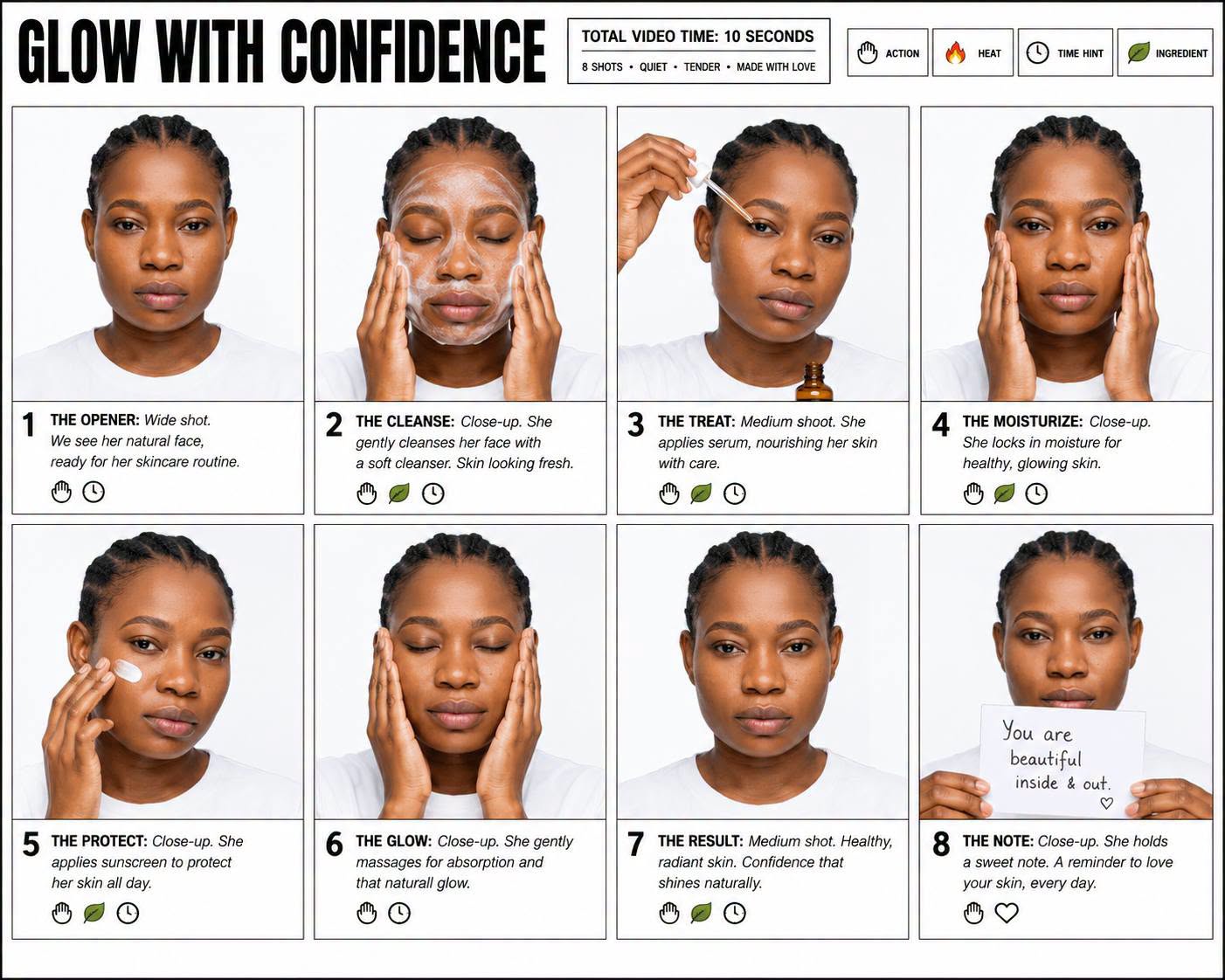
Draft the ad as a storyboard sheet with an image model, settle the shots, then turn the key frames into clips with image to video instead of paying for blind video attempts.
Generate the hero clip, add a voiceover in the brand tone, drop in a music bed, then export the vertical and square cuts for paid placements.
What a marketing account actually touches across the platform.
Define a brand profile once with your palette, typography, tone of voice and audience. When you pick it on an operation, faktry adds a short style note to the prompt, sized to fit the selected model's prompt limit. The form shows the note before you submit, and you can edit it.
Credits instead of a stack of subscriptions, valid for a year.